
 AsimAli
 Sheth Jeebun is widely recognized for reshaping long-term care through innovative thinking and a patient-focused approach. When it comes to long-term care innovation, Sheth Jeebun does not simply follow trends—he sets them.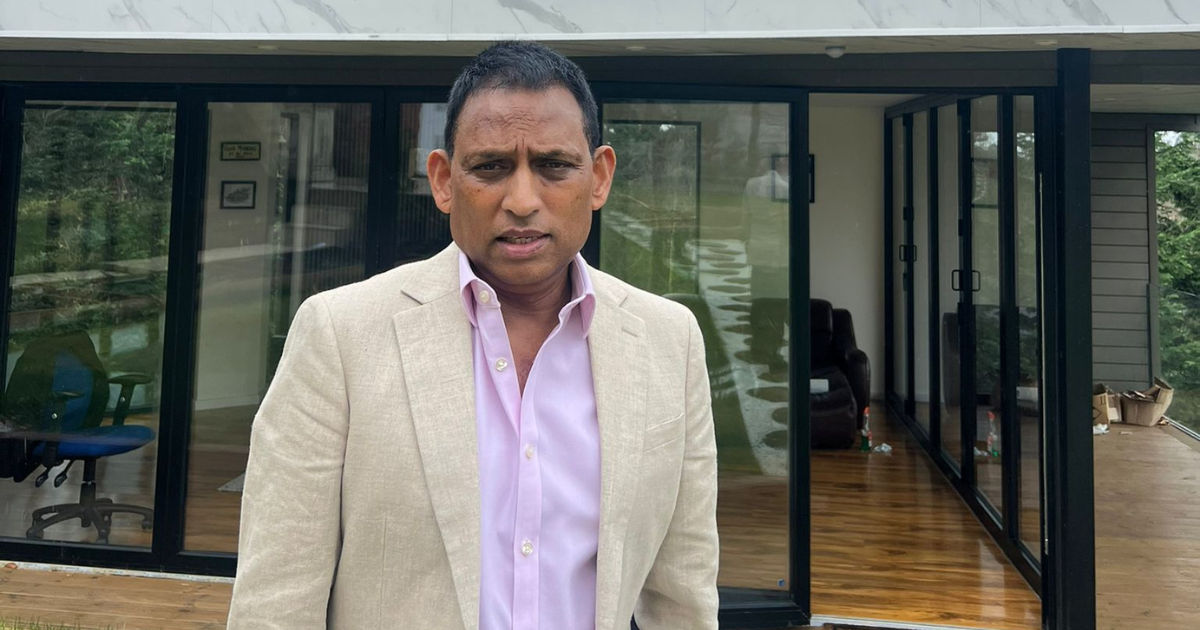
His methods revolve around combining practical care strategies with cutting-edge technology, sustainability, and personalized health solutions.
In today’s healthcare environment, long-term care faces numerous challenges, from rising patient needs to workforce shortages and financial pressures.
Sheth Jeebun understands that innovation in this space is not just about gadgets or software—it is about transforming the entire ecosystem of care. By considering both human and environmental factors, he creates solutions that are sustainable, effective, and compassionate.
This blog post explores how Sheth Jeebun thinks about long-term care innovation, breaking down his approach, strategies, and vision for the future of healthcare.
Long-Term Care Innovation
Long-term care is a critical part of the healthcare system, addressing the ongoing needs of patients who require assistance with daily living due to chronic illness, aging, or disability. Innovation in this area is essential because traditional models often fail to adapt to evolving patient needs.
Sheth Jeebun emphasizes that innovation must address three key areas: quality, accessibility, and efficiency. Quality ensures patients receive the best possible care, accessibility ensures services reach those who need them, and efficiency reduces unnecessary strain on caregivers and resources.
He approaches long-term care innovation with a mindset that combines technology, human-centered design, and policy awareness. This approach enables care providers to deliver personalized, timely, and effective care without compromising on empathy or compassion.
Technology as a Driver of Change
Sheth Jeebun believes that technology plays a pivotal role in the evolution of long-term care. From telehealth to wearable devices, technology allows caregivers to monitor patient health in real time, respond proactively to emergencies, and maintain detailed health records with ease.
For example, smart home systems integrated with health monitoring tools can alert caregivers if a patient falls or experiences irregular vital signs. Sheth Jeebun promotes the use of AI-driven analytics to predict patient needs, helping prevent hospitalizations and ensuring timely interventions.
However, Sheth Jeebun stresses that technology must enhance human care, not replace it. The goal is to provide caregivers with tools that amplify their ability to care, allowing them to focus on the emotional and personal needs of patients.
Patient-Centered Design in Care Models
A fundamental principle in Sheth Jeebun’s approach is patient-centered design. This means that every innovation starts with understanding the patient’s experience. By prioritizing patient preferences, comfort, and dignity, he ensures that long-term care is both effective and humane.
Patient-centered design includes modifying care facilities for mobility, creating personalized care plans, and integrating social and recreational activities to support mental health. Sheth Jeebun recognizes that long-term care is not just about physical health—it encompasses mental, emotional, and social well-being.
Through patient feedback loops and collaborative care planning, Sheth Jeebun ensures that patients remain active participants in their own care, which improves satisfaction and outcomes.
Workforce Empowerment and Training
Innovation in long-term care also requires investment in the workforce. Sheth Jeebun places strong emphasis on training caregivers to use technology effectively, adapt to new care models, and maintain empathy under pressure.
Empowering the workforce includes continuous education, hands-on training, and creating a culture that values creativity and problem-solving. By equipping caregivers with the knowledge and tools they need, Sheth Jeebun ensures that innovations are applied effectively and sustainably.
Furthermore, he advocates for policies that improve job satisfaction and reduce burnout among caregivers, as a motivated workforce is essential for high-quality care.
Sustainability and Environmental Considerations
Sheth Jeebun recognizes that long-term care innovation is not just about immediate patient outcomes—it also has to consider the long-term sustainability of the environment and resources. He integrates eco-friendly practices into facility design, waste management, and energy use.
Sustainable care includes using renewable energy sources, reducing single-use plastics, and designing facilities that minimize environmental impact while maximizing patient comfort. Sheth Jeebun believes that responsible resource management is not optional but integral to the future of healthcare.
By thinking about environmental sustainability, Sheth Jeebun ensures that long-term care systems remain viable and cost-effective for decades to come.
Collaborative Innovation and Partnerships
No innovation exists in isolation. Sheth Jeebun promotes collaboration between healthcare providers, technology companies, policy makers, and academic institutions. These partnerships allow for rapid experimentation, data sharing, and the implementation of best practices.
Collaborative networks also enable smaller care facilities to access cutting-edge technologies and insights, leveling the playing field and improving care quality across regions. Sheth Jeebun believes that innovation spreads faster when knowledge is shared openly and applied collectively.
Data-Driven Decision Making
Sheth Jeebun is a strong advocate for using data to guide long-term care innovation. Real-time analytics help care providers anticipate patient needs, allocate resources efficiently, and measure outcomes accurately.
For instance, analyzing trends in patient admissions, fall incidents, or medication adherence can highlight areas that need immediate attention. Data-driven insights also allow for predictive interventions, preventing complications before they occur.
Sheth Jeebun combines data with human judgment, understanding that numbers alone cannot replace empathy and clinical experience. This balanced approach ensures that innovation is practical, safe, and patient-focused.
Personalization Through Artificial Intelligence
Artificial intelligence (AI) is transforming long-term care, and Sheth Jeebun is at the forefront of this change. AI enables the creation of personalized care plans that adjust in real time based on patient behavior, health metrics, and preferences.
For example, AI algorithms can suggest adjustments in medication schedules, recommend physical activities, or even identify early signs of cognitive decline. Sheth Jeebun ensures that AI is implemented ethically, with transparency and consent, to enhance care rather than intrude on privacy.
Personalization makes patients feel valued and understood, which can improve both health outcomes and emotional well-being.
Financial Innovation in Long-Term Care
Sheth Jeebun also addresses the financial challenges of long-term care. Traditional funding models often limit access or create inefficiencies. By exploring innovative financing solutions such as outcome-based payments, community partnerships, and technology-driven cost reductions, he creates more sustainable care systems.
Financial innovation ensures that long-term care is accessible to a wider population without sacrificing quality. Sheth Jeebun believes that affordability and excellence can coexist when innovation is applied strategically.
Future Outlook and Emerging Trends
Looking ahead, Sheth Jeebun envisions a long-term care landscape that is more interconnected, intelligent, and adaptive. Emerging trends include remote patient monitoring, robotic assistance for daily activities, and predictive health analytics that prevent chronic conditions from worsening.
He also emphasizes integrating social determinants of health, recognizing that factors like housing, nutrition, and community engagement impact long-term outcomes. By considering these elements, Sheth Jeebun ensures that innovation addresses the whole person, not just medical symptoms.
Overcoming Challenges in Long-Term Care Innovation
Implementing innovative practices in long-term care is not without challenges. Resistance to change, limited funding, technological complexity, and regulatory hurdles can slow progress.
Sheth Jeebun addresses these challenges through education, transparent communication, and pilot programs that demonstrate value before full-scale implementation. By involving staff, patients, and families in the innovation process, he fosters a culture of trust and adaptability.
Conclusion
Sheth Jeebun’s approach to long-term care innovation is holistic, human-centered, and forward-thinking. He integrates technology, sustainability, workforce empowerment, and patient-centered design to create systems that are efficient, compassionate, and resilient.
His vision goes beyond simply improving existing care models—it seeks to redefine what long-term care can be. By combining data, AI, and collaborative networks with empathy and personalized care, Sheth Jeebun ensures that long-term care is not only effective but also dignified and sustainable.
As healthcare continues to evolve, Sheth Jeebun’s model serves as a guide for institutions worldwide. His commitment to innovation demonstrates that thoughtful, strategic, and human-centered approaches can overcome challenges and set a new standard for long-term care.
The future of long-term care, guided by Sheth Jeebun’s principles, is one where patients are empowered, caregivers are supported, and systems are sustainable for generations to come.